post

How to make dashi

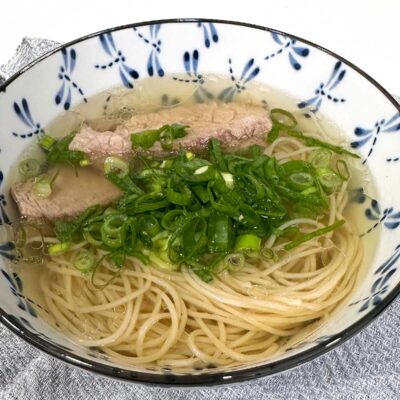
Dashi is a staple in Japanese cuisine. It is the base for broths, soups and sauces. While dashi in granule form is readily available and definitely more convenient, there is still a certain amount of satisfaction derived from knowing how to make dashi from scratch. It’s like making meat or fish broth. Easy enough to use buillon cubes or canned broth but making broth from scrap bones or fish bones and spices, herbs and vegetables gives me the feeling that I am in control. Like, you know, that the flavors in my cooked dish are what I placed there rather than the generic flavors concocted in a factory.

There are many kinds of dashi but the most common form is the liquid that results from boiling together an edible kelp called kombu and katsuobushi or dried and smoked skipjack tuna which is more popularly known as bonito. Kombu is widely available in dried form and katsuobushi is commercially available as bonito flakes.

I have both in my pantry and I made dashi. It was very easy.

How to make dashi

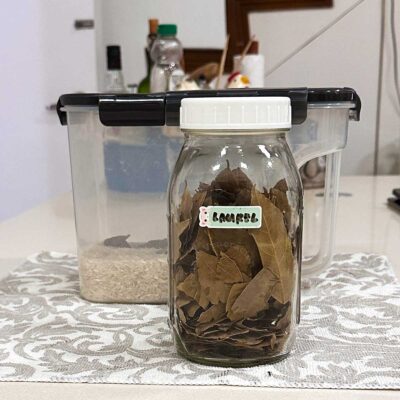
That’s how they look. The dark green sheets are kombu; the orange shavings in the packet are bonito flakes or katsuobushi.

How to make dashi

Fill a pot with water, add the kombu and bonito flakes and boil uncovered until the liquid is reduced by about a quarter. That should take 10 to 20 minutes depending on how much water you have.

How to make dashi

Cool the mixture. Strain. And you have your dashi.

Print it! Print it!   Pin It

Join the mailing list!

Receive an alert every time a new recipe, cooking tip, health news or home and garden story is published!

Free. Privacy guaranteed. No spam.


Comments

  1. Gay says:

    Where do you buy the bonito flakes, Connie? I want to buy some when I get the chance to visit Manila. Thanks.

  2. nina says:

    Kaya pala….I attempted to make a broth out of kombu because I love shabu-shabu but the broth turned out bland. Kailangan pala may bonito flakes. I need to find bonito flakes…

  3. Connie says:

    Gay, Landmark at Trinoma, if I remember correctly. Problem is that supply of imported ingredients is, at best, erratic. Sometimes, they’re available; sometimes, they’re not.

    Nina, yes, the bonito flakes provide the saltiness and deep flavor.

  4. ins says:

    You can buy Japanese/Korean ingredients sa Timog, corner Quezon Ave., coming from Edsa to your left, there are 2 Japanese mini grocery/ store sa corner building na yan.

Comments are welcome but stay on topic, keep caps lock off, no spam, no ads and no personal attacks.

*